

Energy bills are rarely the most exciting part of running a business, but they can quietly become one of the more noticeable expenses.
Whether you run a café, retail store or workshop, electricity powers many of the systems that keep things moving. Refrigeration, lighting, machinery and climate control often run for long hours, and over time those costs can add up.
In recent years, governments across Australia have introduced a range of initiatives designed to help households and businesses manage energy costs. Some programs provide short-term energy bill relief, while others encourage upgrades that improve energy efficiency.
If you run a small business, understanding these initiatives may help you identify opportunities to manage energy costs and improve efficiency in the years ahead.
Why energy efficiency matters for small businesses
Energy is not the expense that first crosses the business owner’s mind, but for many industries, it’s a high operational cost. Everyday operations of the business require heavy machinery, systems and equipment.
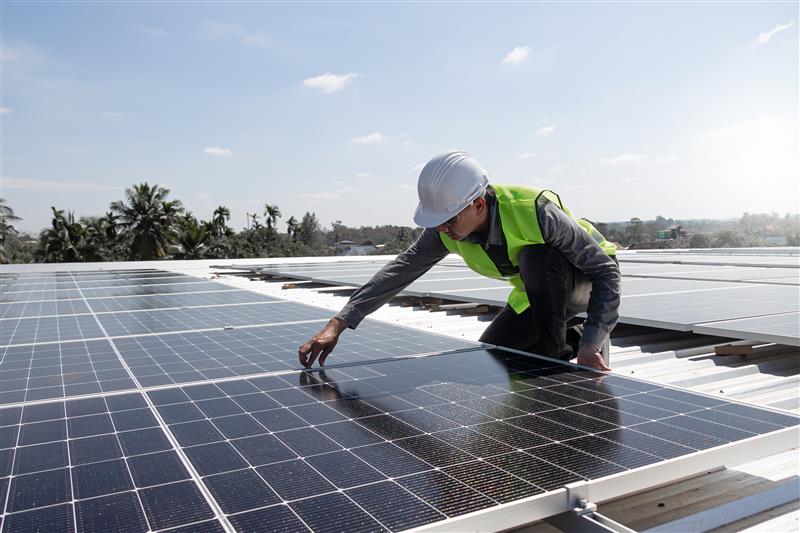
These systems often run for long hours each day. Over time, inefficient equipment, installing renewable energy systems, or reviewing how energy is used in a workplace can lower consumption and reduce exposure to future price increases.
The improvement in energy efficiency can help address this, which is one reason governments encourage efficiency upgrades. There are programs which are designed to help businesses improve how they use energy through rebates, incentives, advisory services and upgrade schemes.
Energy Bill Relief Initiatives in Australia (2026)
Energy support in Australia doesn’t follow a single national system while federal initiatives have provided temporary relief in recent years. The most ongoing support programs are delivered at the state and territory level.
For business owners, that simply means the type of assistance available often depends on where business operations are located.
New South Wales: Energy Savings Scheme
NSW focuses strongly on reducing energy consumption through efficiency programs rather than long-term bill rebates.
One of the most significant initiatives is the Energy Savings Scheme.
In this scheme, instead of applying direct credits to electricity bills, it encourages businesses to install energy-efficient technologies.
Under this scheme these improvements are supported:
- Upgrading commercial lighting systems
- Installing efficient refrigeration equipment
- Replacing outdated heating and cooling units
- Improving energy performance of appliances
The program operates through a certificate system, in which energy savings generate tradable certificates that can offset upgrade costs.
For many NSW businesses, this scheme can reduce the cost of switching to more efficient systems.
Victoria: Victorian Energy Upgrades
Victoria’s Victorian Energy Upgrades program provides discounts on approved energy efficient product and services.
The business participating in the program may receive incentives when installing eligible equipment such as:
- Energy-efficient lighting
- Heating and cooling systems
- Refrigeration upgrades
The aim of the program is to reduce energy consumption across the state while helping households and businesses manage energy costs.
For small businesses planning equipment upgrades, the program can reduce the cost of installing more efficient technology.
Queensland: ecoBiz Program
Queensland ecoBiz program works on a different approach; instead of providing any incentives, it helps businesses understand how they use energy and other resources.
The small businesses participating in the program can easily access support such as:
- Energy benchmarking tools
- Guidance on improving operational efficiency
Australian Capital Territory
The ACT Government operates the Sustainable Business Program, which helps businesses transition to more efficient systems and technologies.
The program can support projects such as:
- Energy-efficient equipment upgrades
- Electrification of existing systems
- Installation of electric vehicle charging infrastructure
Programs like this are designed to support both lower energy costs and broader sustainability goals within the territory.
Tasmania: PowerSmart
Tasmania focuses more on improving energy efficiency rather than offering multiple bill rebates.
For businesses, Tasmania also offers Powersmart for Small Business, which provides funding for energy audits to identify energy-saving opportunities.
South Australia: Energy Bill Concession
South Australia provides financial support to help eligible households who are managing rising electricity costs through Energy Bill Concession. The state has also previously introduced initiatives such as Powering Business Grants, which supported businesses installing solar systems, batteries, and energy-efficient equipment.
Northen Territory
The Northern Territory has focused more on renewable energy adoption through different incentive programs such as Home & Business Battery Scheme. The households or businesses can receive Grants of up to $12,000 exclusive of GST for installing battery storage systems alongside solar panels.
How small businesses can identify energy efficiency opportunities
Finding the right program or upgrade opportunity can take a little research but the potential benefits can make the effort worthwhile.
If you’re considering improving energy efficiency in your business, these steps may help:
- Review your energy usage
Check your electricity bills, identify patterns in consumption and for better understanding compare business energy plan.
- Consider an energy audit
An energy audit can highlight where energy is being used and where energy improvements may be possible.
- Explore solar and battery options
The renewable energy systems may reduce reliance on grid electricity. Check state government programs to know your options. Many incentives vary by location, local energy departments websites to know the starting points.
Final Thoughts
Energy costs remain an important consideration for small businesses across Australia. The energy bill relief initiatives can provide short-term support during periods of rising prices, efficiency programs which are focused on long-term improvements that reduce energy consumption.
Across the country, there is a combination of rebates, renewable energy incentives, advisory programs and equipment upgrades are helping businesses explore more efficient ways of operating.
Even small improvements like replacing lights, installation of solar panels or improving energy monitoring can gradually make a difference.
Sometimes the biggest savings start with simply asking the right question about how energy is being used.