

Contents
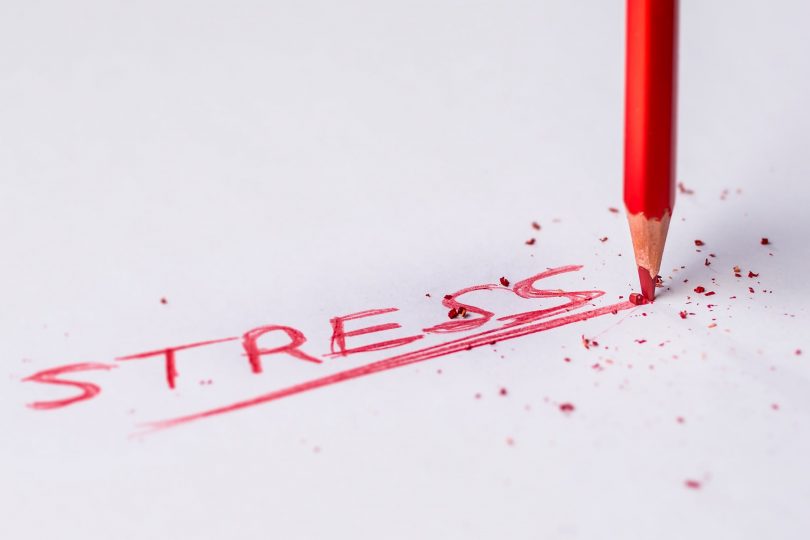
One of the growing concerns many organisations are facing nowadays is employee stress. Commonly caused by extreme pressure in certain situations, stress within the workplace isn’t always a negative thing, as some people use this to thrive.
This type of stress can help people to find more unique and creative ways of doing things and is known as eustress.
However, more commonly, stress has a negative impact which is a major worry of most of the organizations.
It can be said that ‘stress causes some people to break, and others to break records.’
It is very important for organizations to take the right course of action if their employees are feeling stressed continuously and more importantly giving employees the tools to learn how to manage stress.
Identifying stress symptoms is helpful for small business owners when it comes to managing stress within the workplace. Look for signs such as:
- arriving late
- Absenteeism
- leaving early
- running away from work responsibilities
- deteriorating performance
- getting irritated easily
- panic attacks and difficulty in concentrating.
Being aware of the signs of a stressed employee are vital to looking after the wellbeing of employees within a small business, but it is also important to take a look at some of the factors which may be creating and causing the stress.
Some of these factors can be defined as
1. Organisational factors:
Organisational factors can cause stress among employees due to various reasons like not letting employees participate in decision- making, strict rules and regulations, peer pressure, lack of career and growth opportunities, goal conflicts, lack of promotional opportunities and extreme control over the employees.These kind of factors can create a hostile and unproductive work environment.
2. Factors related to the job:
Things like the repetitive nature of the job, unsafe and insecure working conditions, unhealthy conditions, lack of privacy and crowding are some of the job-related factors which can lead to workplace stress.
3. Individual factors:
An employee can often feel stressed when they fail to meet the expectations of peers, subordinates, and superiors. Another factor responsible for stress may include intrinsic traits like being impatient, violent, stiff and always feeling time pressure.
Now that we have identified some of the factors that can induce stress within employees, let’s take a look at some of the tips for how you can manage workplace stress within your small business.
The 4 steps to risk assessment is designed for small business organizations to break down the areas which are responsible for causing stress. Following these stress management techniques can help to reduce the impact of stress and help employees to manage it.
-
Give your commitment to good management practices.
If you are a manager or you are leading a team, make sure you are not giving any rigid or unreasonable deadlines. Also, try to not show disappointment when little mistakes are made by employees. Maybe you don’t realize but you can be one of the stressors at work.
Be flexible in managing your work. To manage workplace stress and to be more productive, compressed work weeks, flexible time, job sharing and telecommuting are some of the effective ways. Make the working hours flexible which may include job rotation and shifts.
Other key tips include:
- Don’t be rigid while making communication policies
- Make sure that you don’t call or email the employees after working hours
- Try not to disturb the employees during their rest hours to avoid an increase in stress levels
-
The culture of openness should be encouraged in the workplace.
Motivate your employees to talk about stress in the workplace so that they don’t feel that it is a sign of weakness if they ask for help to resolve their stress issues.
-
Provide training and information to the employees.
Educate employees and managers on mental health issues, about the difference between unhealthy and healthy stress levels, provide mental health first aid training. Give them the necessary information about how to spot the symptoms of workplace stress.
-
Provide recreation facilities to the staff like behavior therapy.
Let your employees do some meditation practice and provide break rooms for employees where they can take themselves away from their desks at breaktime. Employees who stay at their desks can miss out much-needed relaxation as they continue with their work which can increase the stress levels among them.
If you can create a recreation/ break-out area for your employees to unwind and relax in, try adding some refreshments and facilities like a TV, a mini gym or even a games room.
Ensure that they also take their holidays throughout the year to make sure that they have a good break.
Conclusion
Small businesses can feel the effects of stress a lot more compared to larger firms due to the lack of resources to absorb the void left if any staff member is on leave or if they leave the firm altogether. The warning signs are signaling us all to take an action, so listen to the signs and use a realistic stress management plan.
Hans Selye once rightly said, “It’s not stress that kills us, it is our reaction to it”.