


Walk into any shop or office and you can usually tell what kind of business it is before anyone speaks. The colours, the layout, even the way light moves through the space all hint at what the brand stands for. That first impression stays with people and can quietly influence whether they want to stick around.
The good news? You do not need a full renovation to change how your space feels. A few simple updates can completely shift the atmosphere, lifting both confidence and comfort without a huge spend.
Why Your Fitout Matters
People notice their surroundings straight away. A cluttered space can make your business seem disorganised, even if your work is top quality. A clean, bright area with a few finishing touches says something different. It shows your care, attention to detail, and pride in what you do.
Your workspace also affects your team more than you might think. A well lit, open space boosts focus and energy. A dark, cramped one does the opposite. The aim is to create a place where staff feel motivated and customers feel at ease the moment they walk in.
Start Small and Notice the Difference
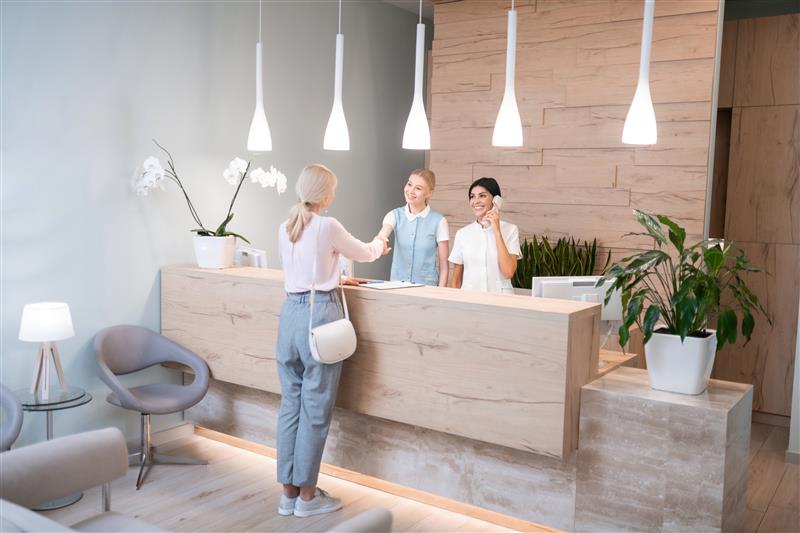
You do not need to change everything at once. Start with the parts people see first. The counter, the signage, the chairs near the front. These areas make a bigger impact than most realise. A fresh coat of paint or better lighting can completely lift the mood of a room.
If you are unsure where to start, get advice from someone who knows how to stretch a small budget. A specialist in office renovations can help you plan affordable upgrades that still look professional and suit your brand.
Let Your Design Speak for Your Brand
Your space should act as an extension of your marketing. The look and feel should match what customers see on your website or social media. Use your brand colours naturally, not too heavy-handed, and display your logo in places where people will notice it without thinking about it.
Use lighting in a way that feels natural. It does not need to be perfect, just enough to draw the eye to what matters. A small lamp over a product display. A bit of light across a wall feature. It helps people notice without you having to point it out.
Try adding things that make the space feel alive. A couple of plants, some local artwork, maybe a framed photo that means something to your team. Those touches make the place feel warm and personal. The aim is to tell your story, not to look like a showroom. Whether your business feels creative and relaxed or smart and professional, the space should quietly say who you are.
Function First, Then Style
Design should always make life easier, not harder. You want people to walk in and know where to go. Your team should be able to move freely without bumping into things. When a space flows, work does too.
Before getting too deep into decorating, pause and plan. Think about what actually needs fixing. A short chat with a professional who understands layouts and compliance can save you a lot of money later. It is better to get things right the first time than to pull them apart afterward. It is also worth getting the technical side sorted early. Working with a WA property surveyor can help you make sure your layout meets local standards and makes the most of the space you already have. That small step can prevent expensive mistakes later.
Set the Mood with Lighting and Finishes
Lighting changes everything. Natural light always wins if you can get it. It opens up the room and helps people feel calm. Warm indoor lighting comes next. It adds comfort and character. Fluorescent lights, however, can make everything look flat and cold, so it is best to avoid them where possible.
You can do a lot with materials too. You do not need to spend much. Swap a few surfaces, add timber accents, or use textured finishes that catch the eye. A small upgrade to flooring or countertops can make a space feel well cared for. Those details show that you pay attention and take pride in your environment.
Use Signage to Stay Top of Mind
Good signage does more than direct people. It reinforces your brand identity every time someone walks by. Clear, well positioned signs make your business look confident and established.
If you already have strong brand colours, use them across both indoor and outdoor signs. Window decals, reception logos, and wall lettering can make your space feel cohesive and consistent without spending much at all.
Plan for Flexibility
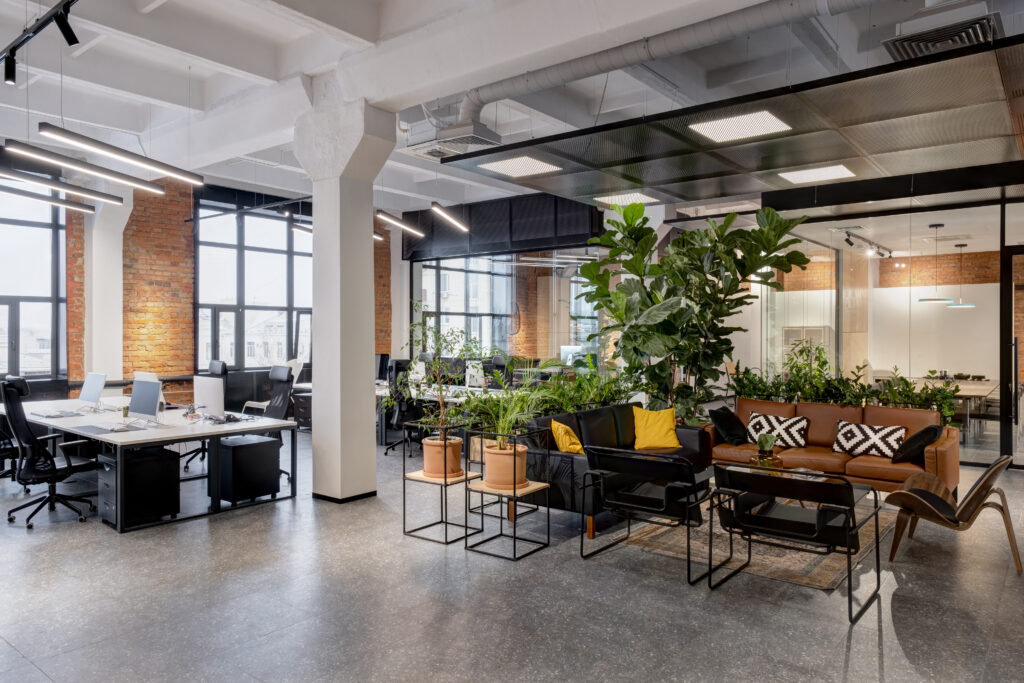
Businesses change, and your space needs to keep up. Try not to commit to one rigid layout. Choose furniture that moves easily, or lighting that can be adjusted. It makes updates simpler and saves money in the long run.
It also helps when you want to freshen things up. You might want to move the counter, change your displays, or make space for something new. When your space is built to adapt, these changes feel easy instead of overwhelming.
Small, steady improvements often do more than a single major overhaul. Focus on what people see first. A clean, thoughtful space quietly markets your business every day. It shows visitors that you care and gives your team a workplace they are proud of.
When a room feels right, people notice. They remember how it felt to be there, and that memory becomes part of how they remember your brand.
Design That Delivers Results
Creating a space that sells does not have to be expensive. The most memorable workspaces often come from small, personal touches that show character and care. Focus on meaningful changes that reflect your story and your values.
A well-designed environment does your marketing for you. It tells people who you are, builds trust, and gives your business a sense of confidence that lasts. Customers remember that feeling long after they leave.